
Optimal Timing for Demolition Services
Choosing the optimal time for demolition services depends on various factors including weather conditions, project scope, and local regulations. Planning during periods of mild weather ensures safer and more efficient operations, reducing delays caused by extreme temperatures or storms. Additionally, coordinating with construction schedules and obtaining necessary permits in advance can help determine the most suitable timeframe.
Demolition is most effective during stable weather, avoiding heavy rain, snow, or high winds that can hinder safety and progress.
Scheduling demolition before construction minimizes delays and allows for timely site preparation.
Permitting processes should be completed early to prevent project hold-ups and ensure adherence to local regulations.
Spring and fall often provide ideal weather windows, avoiding the extreme temperatures of summer and winter.
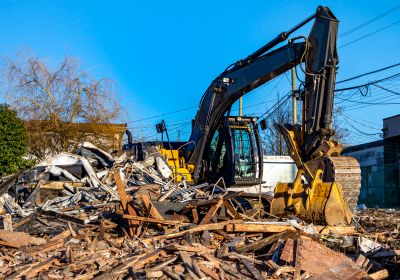
Heavy machinery preparing a site for demolition.

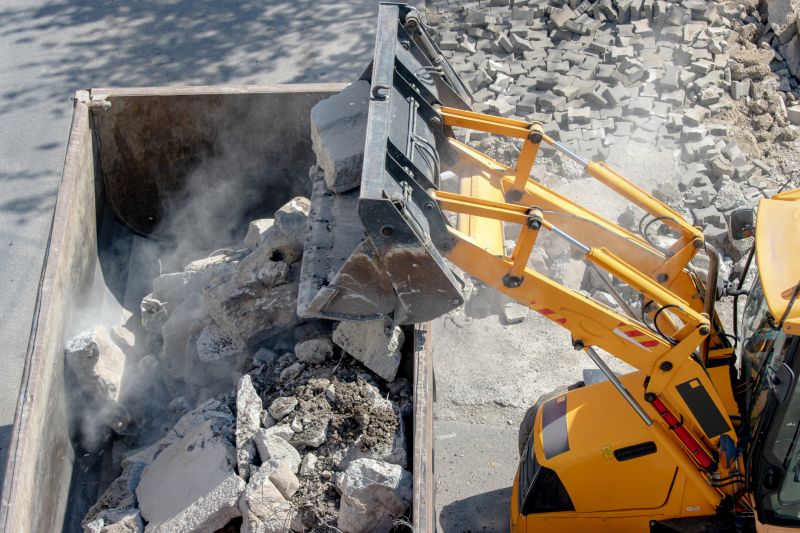
Workers and equipment clearing debris after demolition.
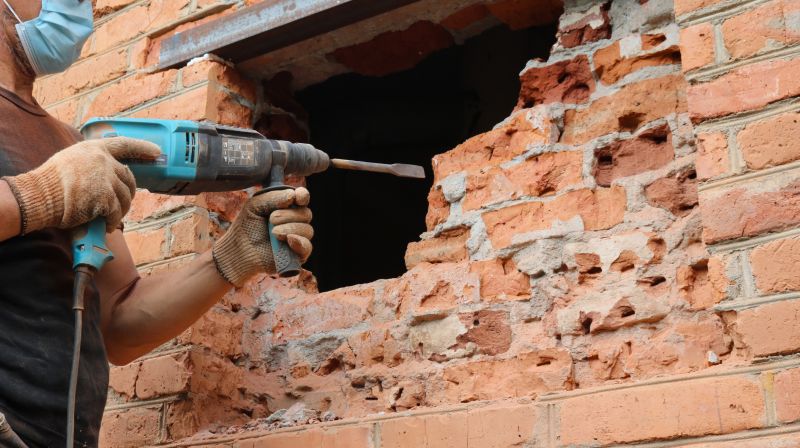
Safety barriers and gear used during demolition projects.
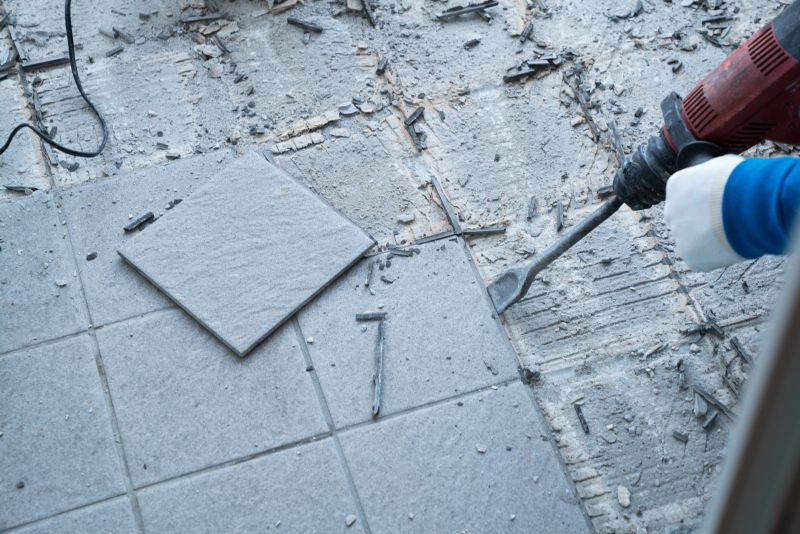
Ways to make Demolition Service work in tight or awkward layouts.
Popular materials for Demolition Service and why they hold up over time.
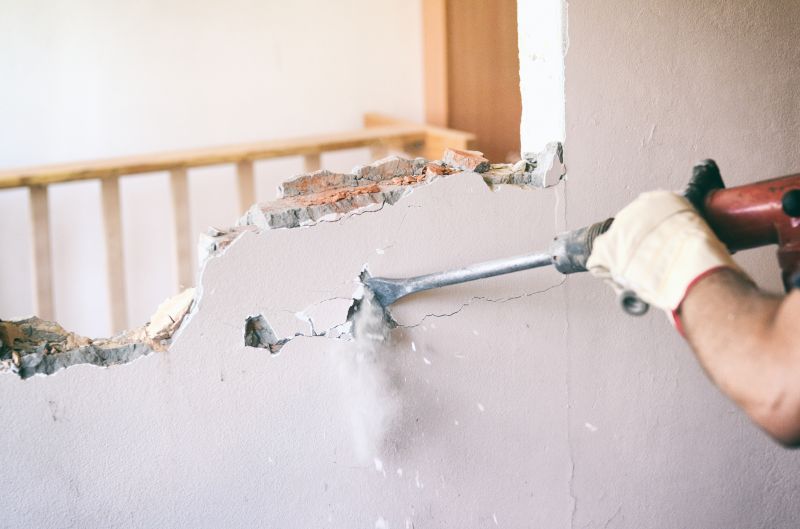
Simple add-ons that improve Demolition Service without blowing the budget.
| Factor | Best Time for Demolition |
|---|---|
| Weather Conditions | Spring and fall with mild temperatures |
| Project Coordination | Prior to construction schedules |
| Permitting Process | Early in project planning |
| Community Considerations | During times of minimal disruption |
| Seasonal Factors | Avoid extreme heat or cold |
Demolition services involve the careful dismantling and removal of structures, often serving as a critical first step in redevelopment or new construction projects. Proper timing ensures safety, efficiency, and compliance with local regulations. Advances in demolition technology have increased safety standards and reduced environmental impact, making timing even more crucial for optimal results.
Statistics show that scheduling demolition during favorable weather windows can reduce project duration by up to 20%. Proper planning also minimizes safety risks and potential delays, leading to cost savings. Understanding seasonal patterns and local regulations helps in selecting the most appropriate timeframe for demolition activities.

Heavy machinery preparing a site for demolition.

Workers and equipment clearing debris after demolition.

Safety barriers and gear used during demolition projects.
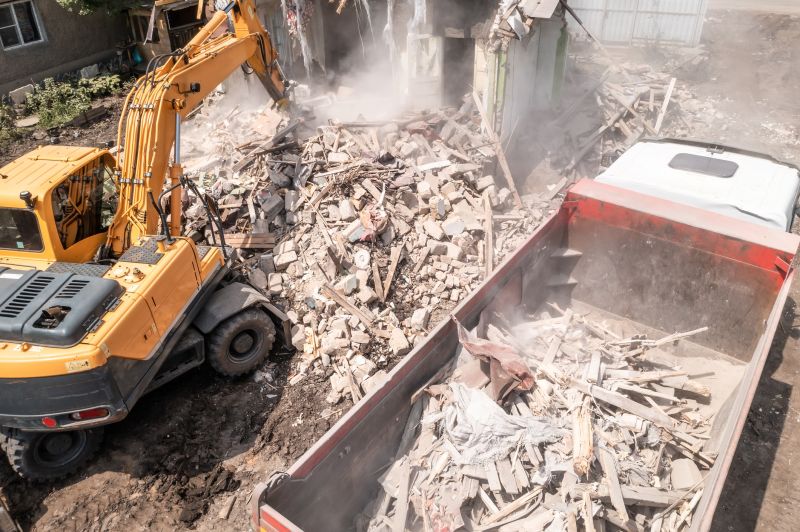
Site assessment and planning before demolition begins.
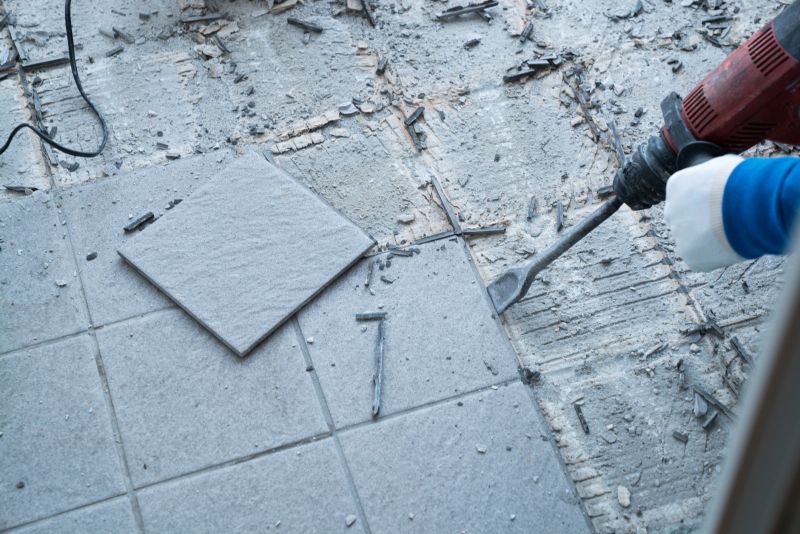
A 60-second routine that keeps Demolition Service looking new.
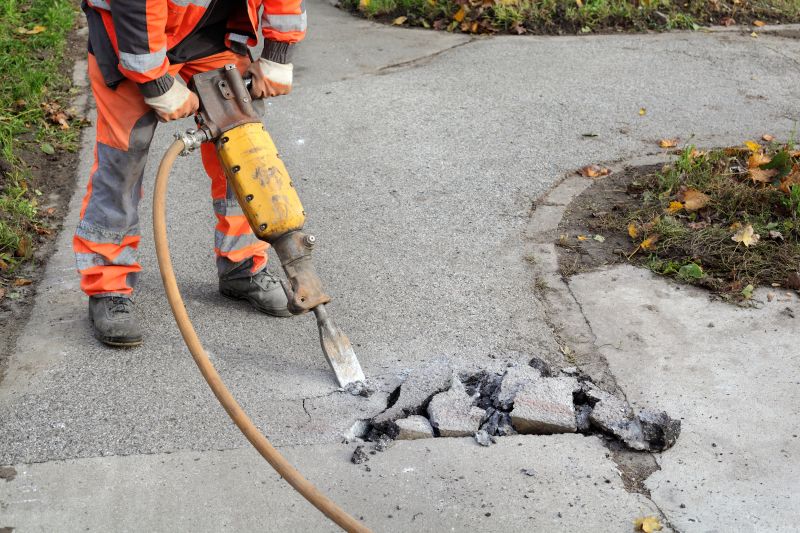
A frequent mistake in Demolition Service and how to dodge it.

Small tweaks to make Demolition Service safer and easier to use.
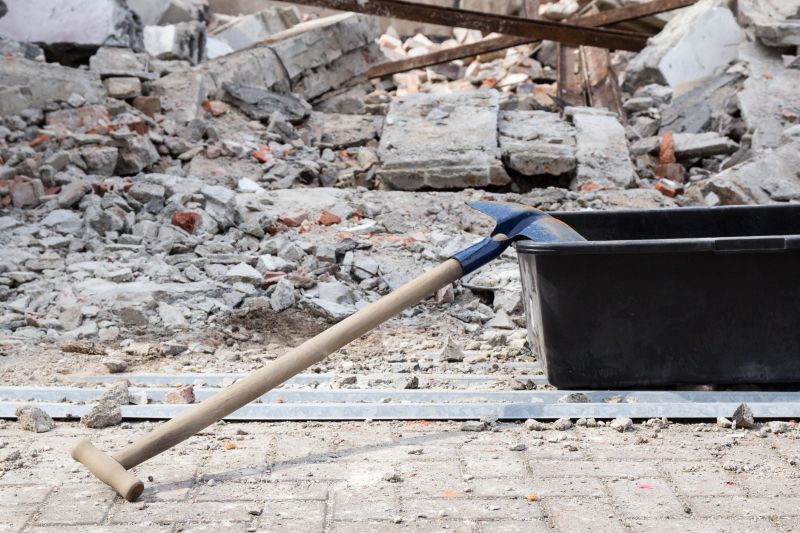
Lower-waste or water-saving choices for Demolition Service.
Interested parties seeking demolition services are encouraged to contact for more information. Proper timing and planning are essential for a successful project, and professional guidance can help determine the best schedule based on specific site conditions and project goals.